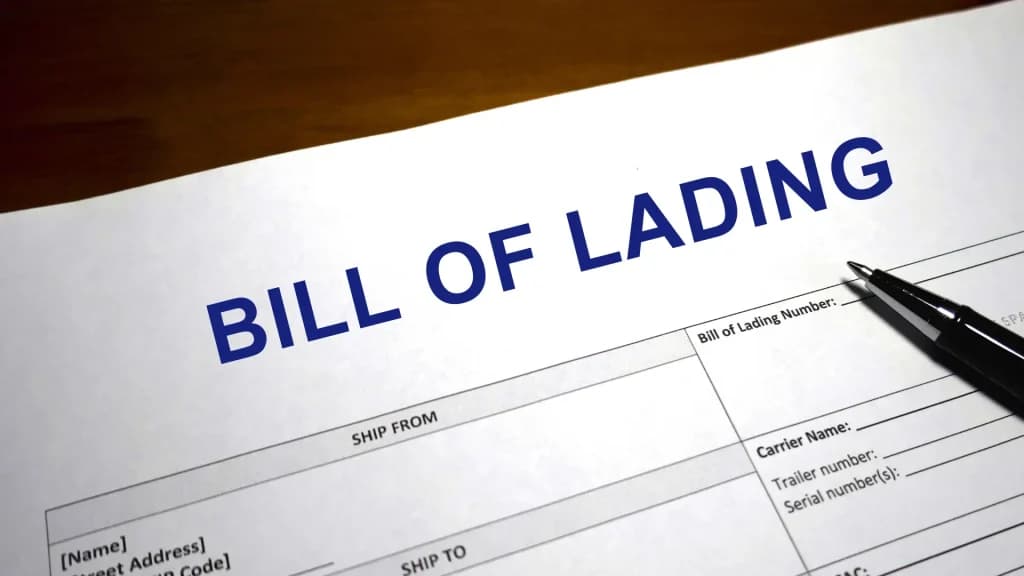
The bill of lading (B/L) is one of the most important documents in international shipping. It serves three critical functions: receipt of goods, contract of carriage, and document of title.
Types of Bills of Lading
Master Bill of Lading (MBL): Issued by the ocean carrier to the freight forwarder. Shows the forwarder as shipper.
House Bill of Lading (HBL): Issued by the freight forwarder to the actual shipper. Used for LCL shipments or when forwarders consolidate cargo.
Negotiable B/L: Can be transferred to third parties. Used when payment is via letter of credit. Requires original documents for cargo release.
Sea Waybill: Non-negotiable. Allows faster release of cargo since originals aren't required. Common for transactions between trusted parties.
Essential Information on a B/L
Every B/L must include: Shipper name and address, Consignee name and address, Notify party, Port of loading, Port of discharge, Description of goods, Number of packages, Gross weight, Container numbers, Seal numbers, and Freight terms.
Common B/L Mistakes
Incorrect consignee information can delay cargo release or cause it to be sent to the wrong party.
Mismatch between B/L and letter of credit details will cause banking discrepancies and payment delays.
Vague cargo descriptions can trigger customs inspections or classification issues.
Missing or incorrect container/seal numbers create tracking problems.
Telex Release vs Original B/Ls
For negotiable B/Ls, you typically need original documents to claim cargo. This can cause delays if documents arrive after the cargo.
A telex release (or express release) allows the destination agent to release cargo without original documents. The shipper surrenders the originals at origin, and release authority is sent electronically.
Sea waybills work similarly but are structured this way from the start.
Protecting Yourself
Always verify B/L details before goods ship - changes after departure are difficult and expensive.
Keep copies of all B/Ls for your records and for customs purposes.
For high-value shipments with L/C payment, use a document preparation checklist to catch errors before they become expensive problems.