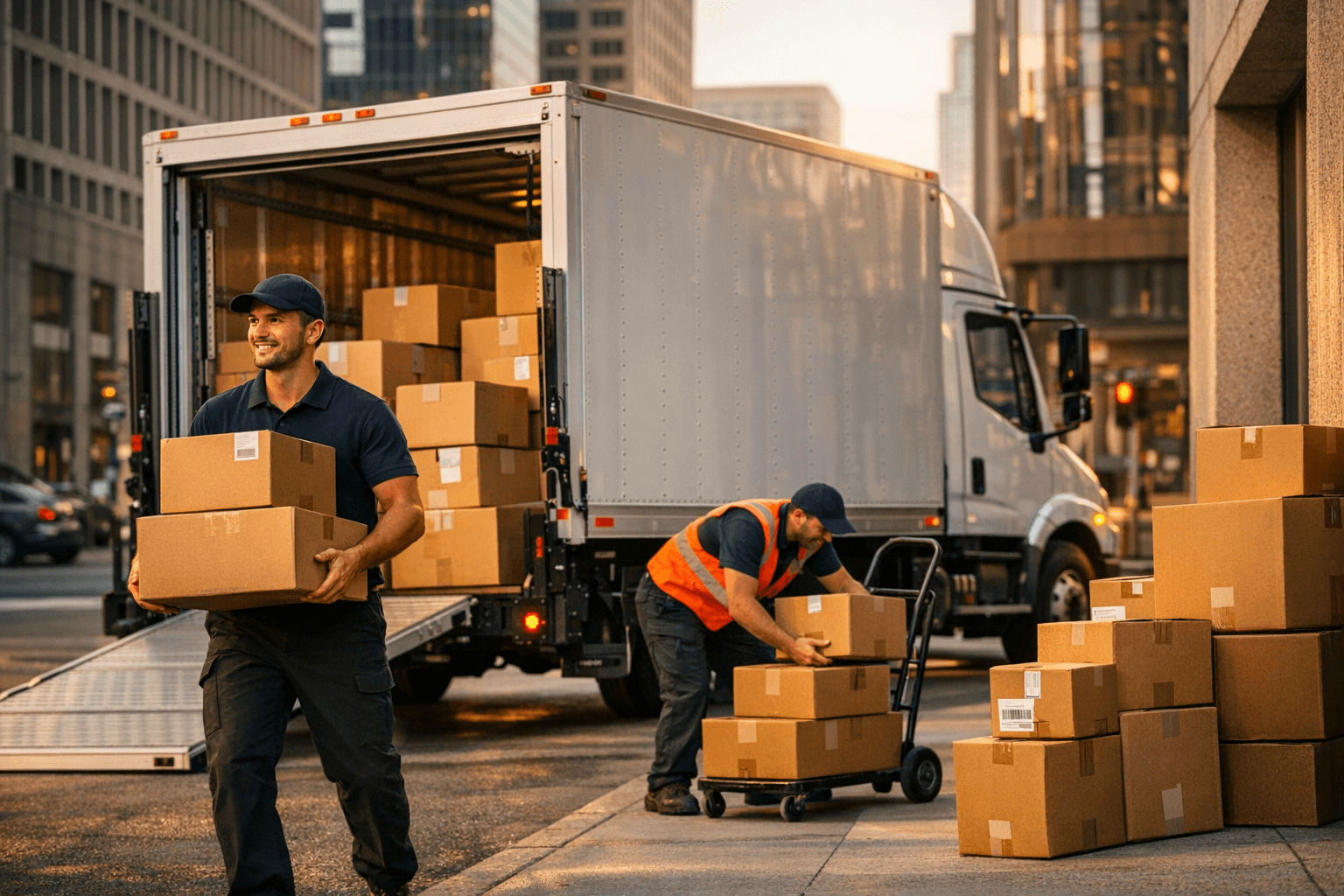
The Growing Cost of Last-Mile Delivery
Last-mile delivery—the final leg of a shipment's journey from a distribution center to the customer's doorstep—has become the most expensive part of the shipping process. In 2026, it accounts for a staggering 53% of total shipping costs, up from 41% in 2018.
Why Are Last-Mile Costs Rising?
Several factors are driving up last-mile delivery expenses:
- Labor costs: Driver wages have increased significantly due to labor shortages and competition for workers
- Fuel prices: Despite some stabilization, fuel remains a major cost component
- Consumer expectations: Demand for same-day and next-day delivery requires more vehicles and drivers
- Failed deliveries: Each failed delivery attempt costs carriers $15-20 on average
- Urban congestion: Traffic in metropolitan areas increases delivery times and costs
The Numbers in 2026
According to recent industry data:
- 76% of retailers report rising cost per package
- US delivery costs increased by an average of 12% from 2024 to 2025
- The global last-mile delivery market is valued at approximately $201 billion
- Market growth is projected at 12% compound annual rate through 2029
Strategies to Reduce Last-Mile Costs
Forward-thinking shippers are implementing several strategies:
1. Micro-Fulfillment Centers
Positioning inventory closer to customers in smaller, urban warehouses reduces delivery distances and times.
2. Route Optimization Technology
AI-powered route planning can reduce delivery costs by 15-30% by finding the most efficient paths.
3. Alternative Delivery Points
Lockers, pickup points, and retail partnerships give customers convenient options while reducing failed delivery attempts.
4. Crowdsourced Delivery
Gig economy platforms offer flexible capacity during peak periods without maintaining a full-time fleet.
5. Electric Vehicle Fleets
While requiring upfront investment, EVs significantly reduce fuel costs over time.
What This Means for Your Business
If you're shipping products to customers, last-mile costs directly impact your bottom line. Consider these steps:
- Audit your current delivery costs and identify areas for improvement
- Explore partnerships with regional carriers who may offer better rates for specific areas
- Implement delivery options that let customers choose slower, cheaper shipping when they don't need items urgently
- Consider subscription models that encourage larger, less frequent orders
The last-mile challenge isn't going away, but understanding the cost drivers and available solutions will help you make smarter shipping decisions.
