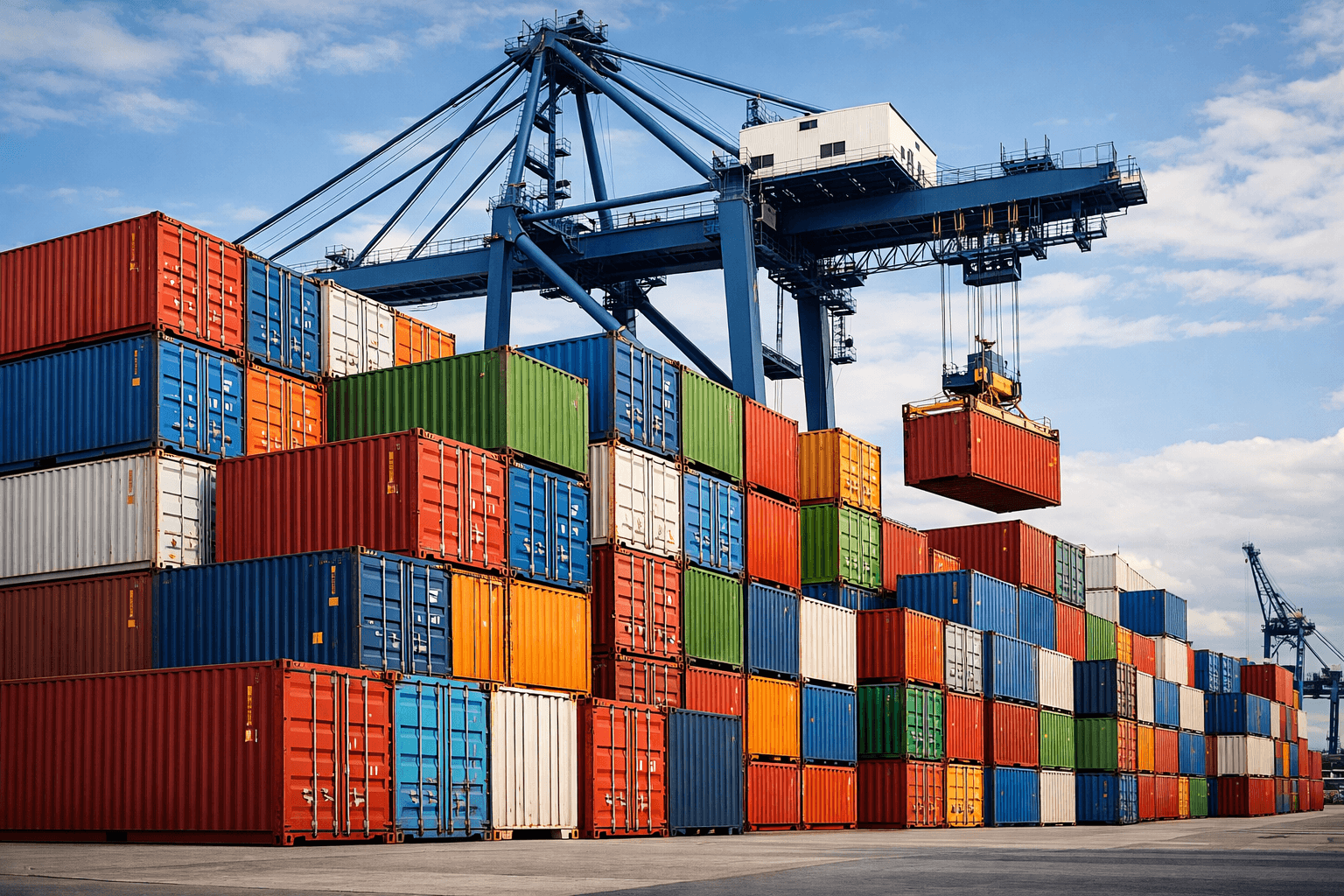
FCL vs LCL: Choosing the Right Container Option
When shipping goods internationally by ocean, one of the first decisions you'll make is whether to book FCL (Full Container Load) or LCL (Less than Container Load). Understanding the differences will help you optimize costs and transit times.
What is FCL (Full Container Load)?
FCL means you're booking an entire container exclusively for your cargo. The container is loaded at origin, sealed, and not opened again until it reaches the destination.
FCL Advantages:
- Faster transit: No consolidation or deconsolidation delays
- Lower damage risk: Your goods aren't handled multiple times
- Better security: Container remains sealed throughout
- Simpler tracking: One container, one tracking number
- Cost-effective for volume: Lower per-unit cost when you have enough cargo
FCL Container Sizes:
- 20-foot container: ~33 cubic meters, ~28,000 kg max weight
- 40-foot container: ~67 cubic meters, ~28,000 kg max weight
- 40-foot high cube: ~76 cubic meters, extra height for bulky cargo
What is LCL (Less than Container Load)?
LCL means your cargo shares container space with shipments from other shippers. A freight forwarder consolidates multiple shipments into one container.
LCL Advantages:
- Lower minimum: Ship as little as 1 cubic meter
- Pay for what you use: Charged by volume, not a flat container rate
- Flexibility: Ship smaller quantities more frequently
- Cash flow friendly: Don't need to wait until you have a full container
LCL Considerations:
- Longer transit: Add 5-10 days for consolidation/deconsolidation
- More handling: Cargo is loaded and unloaded at CFS warehouses
- Potential delays: Container doesn't ship until it's full
When to Choose FCL
FCL typically makes sense when:
- Your shipment fills more than half a container (10+ CBM for 20ft)
- You're shipping fragile or high-value goods
- Transit time is critical
- You ship regular, predictable volumes
When to Choose LCL
LCL is often the better choice when:
- Your shipment is under 10-15 CBM
- You're testing a new market with small orders
- Cash flow constraints limit large inventory purchases
- Transit time flexibility exists
Cost Comparison
The break-even point varies by trade lane, but generally:
- Under 10 CBM: LCL is usually cheaper
- 10-15 CBM: Compare quotes for both options
- Over 15 CBM: FCL almost always wins on cost
Always get quotes for both options when you're in the middle range—rates fluctuate and the answer isn't always obvious.
Pro Tip: Consolidation Services
Some freight forwarders offer buyer consolidation, combining multiple supplier shipments into one FCL. This gives you FCL benefits even when individual orders are small.
