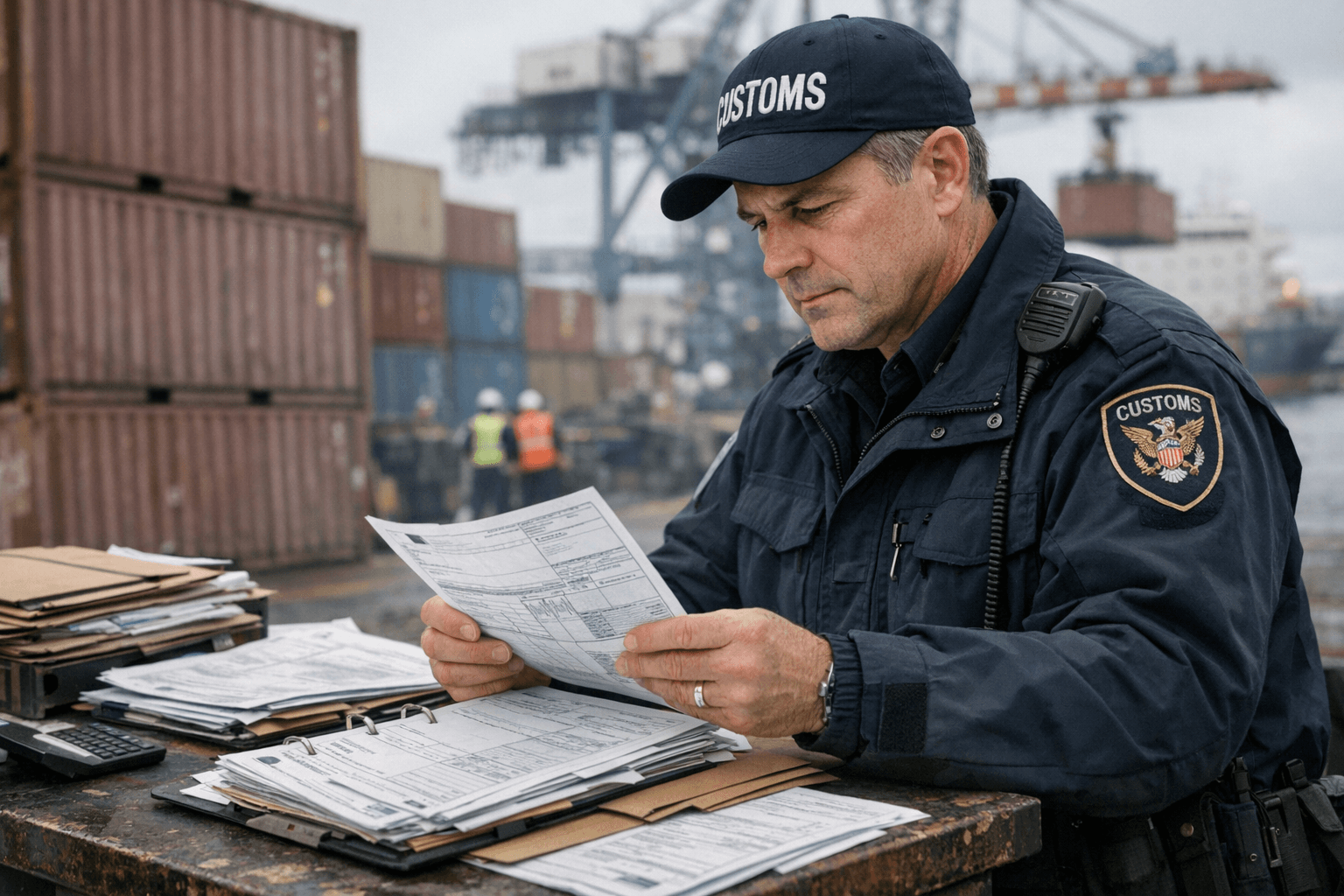
Understanding Customs Clearance
Customs clearance is the process of getting your goods officially approved for entry into a country. It involves documentation, inspections, duty payments, and regulatory compliance. Understanding the process helps prevent costly delays.
Step 1: Gather Required Documents
Before your shipment arrives, ensure you have:
- Commercial Invoice: Details of the transaction including buyer, seller, goods description, and value
- Packing List: Contents, weights, and dimensions of each package
- Bill of Lading or Airway Bill: Contract of carriage and receipt of goods
- Certificate of Origin: Where goods were manufactured (may affect duty rates)
- Import License: If required for your product category
- Special Permits: For regulated goods (FDA, EPA, FCC, etc.)
Step 2: File the Entry
In the US, entries must be filed within 15 days of arrival. This includes:
- Entry Summary (CBP Form 7501)
- HTS classification codes for each product
- Declared value for duty calculation
- Country of origin declarations
Most importers use a licensed customs broker to handle filings. Brokers ensure accuracy and compliance.
Step 3: CBP Review and Examination
Customs and Border Protection reviews entries and may:
- Release immediately: Most shipments clear without inspection
- Request documents: Additional information may be needed
- Examine cargo: Physical inspection at the port
- Hold for agency review: FDA, USDA, or other agencies may need to clear goods
Step 4: Pay Duties and Fees
Once cleared, you'll owe:
- Import duties: Based on HTS classification and country of origin
- Merchandise Processing Fee (MPF): 0.3464% of value (minimum $27.75, maximum $538.40)
- Harbor Maintenance Fee: 0.125% for ocean shipments
- Other fees: Depending on product type and entry method
Step 5: Cargo Release
After clearance and payment, CBP releases the cargo. You'll receive authorization to pick up from the port or have it delivered to your facility.
Common Causes of Delays
- Incomplete or inaccurate documentation
- Incorrect HTS classification
- Missing permits for regulated products
- Discrepancies between documents and actual goods
- Random examinations (increased during high-volume periods)
Tips for Smooth Clearance
- Work with an experienced customs broker
- Provide accurate product descriptions
- Have documents ready before arrival
- Ensure supplier documents match your commercial invoice
- Maintain a compliance program for regulated goods
Proper preparation is the key to fast, problem-free customs clearance.
