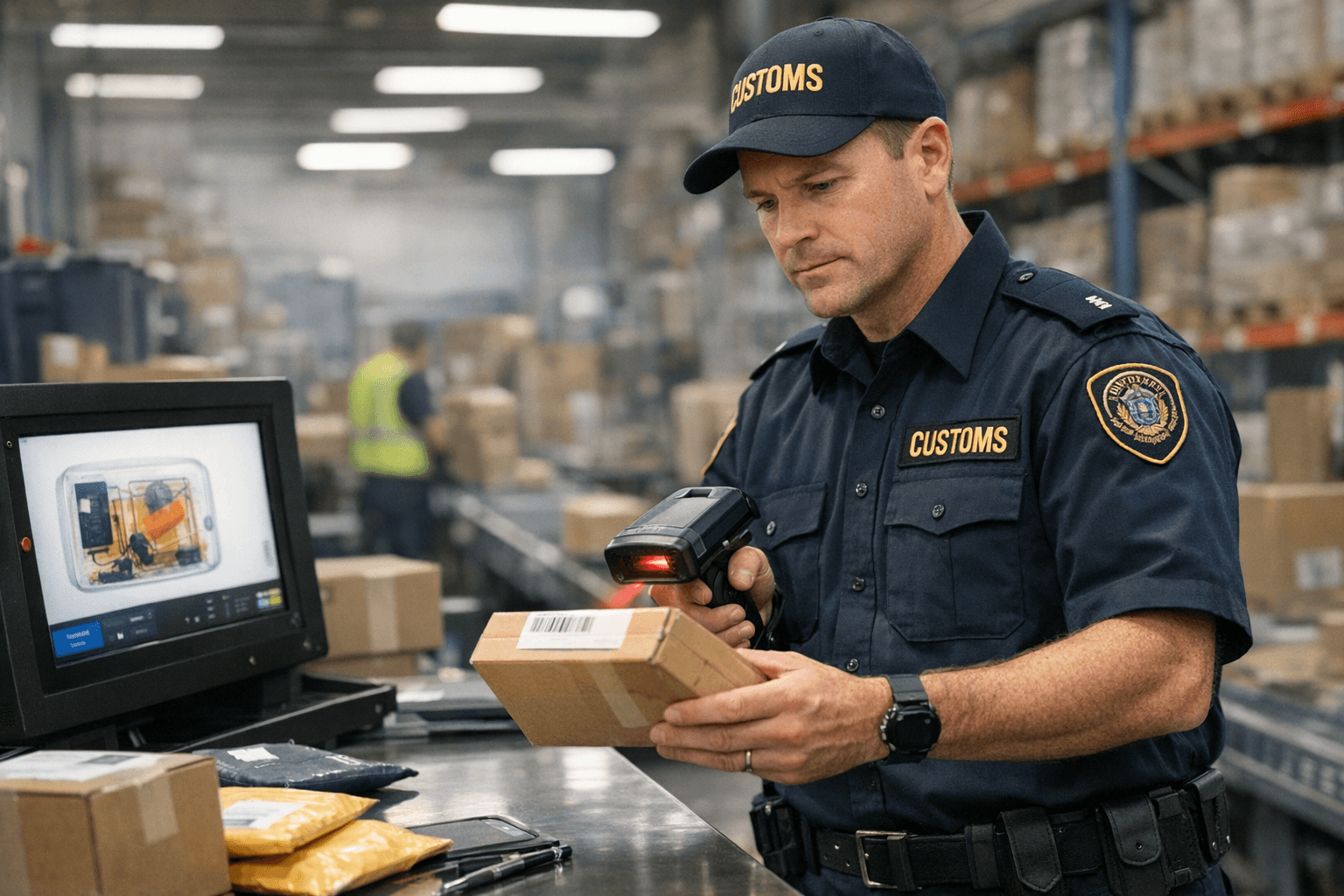
De Minimis Under Fire
The US de minimis threshold of $800, allowing duty-free entry of small-value shipments, has become a major trade policy battleground in 2026. With over 1.3 billion de minimis shipments annually - up from 400 million in 2019 - reform pressure is intense.
Current De Minimis Framework
Section 321 Basics
- Threshold: $800 per person per day
- Duty-free and tax-free
- Simplified customs processing
- No formal entry required
- No customs broker needed
Processing Methods
- Type 86 entry for formal processing
- Informal entry for some shipments
- Release from Section 321 program
- Used extensively by e-commerce platforms
The Policy Debate
Problems Identified
- Trade remedy evasion (Section 301 tariffs avoided)
- UFLPA circumvention concerns
- Limited inspection of low-value parcels
- Fentanyl and counterfeit goods
- Domestic retailer competitive disadvantage
- Intellectual property violations
Arguments for Maintaining
- Consumer benefit of lower prices
- E-commerce market access
- Small business export facilitation
- Trade liberalization principles
- Processing cost reduction
2026 Changes Already In Effect
Enhanced Data Requirements
- More data fields for Type 86 entries
- HTS code disclosure required
- Seller and buyer identification enhanced
- Product description specifics
Risk-Based Screening
- AI-powered targeting systems
- High-risk origin enhanced inspection
- Platform accountability increasing
- Counterfeit detection enhanced
Pending Legislative Proposals
Potential Threshold Changes
- Reduction to $50-250 discussed
- Elimination for Section 301 goods proposed
- Complete elimination in some proposals
- Country-specific exclusions
Enforcement Enhancements
- Platform reporting requirements
- Marketplace liability provisions
- Enhanced CBP authority
- Criminal penalties for systematic violations
Impact on E-Commerce Platforms
Major Players Affected
- Shein, Temu, AliExpress facing biggest exposure
- Amazon, Walmart marketplace concerns
- Direct-to-consumer Chinese brands
- Dropshipping business models
Strategic Responses
- US fulfillment center expansion
- Bulk import + US distribution models
- Domestic inventory positioning
- Broader product assortment in US
Compliance Best Practices
For Legitimate Importers
- Ensure accurate HTS classification
- Verify origin declarations
- Document Section 301 exclusion claims
- Maintain supply chain documentation
- Proper valuation (not split consignments)
Red Flags to Avoid
- Artificial split consignments
- Consignee aggregation issues
- Misclassification under $800
- Origin misstatements
- Single-seller, multiple-consignee patterns
Alternative Strategies
FTZ Programs
- Import in bulk to foreign trade zones
- Distribute from US facilities
- Pay duties as goods leave FTZ
- Better control and transparency
Bonded Warehousing
- Store goods duty-deferred
- Pay duty only on US-released portions
- Up to 5 years storage
- Good for slower-moving inventory
Industry Response
E-Commerce Platform Adaptations
- Building US distribution networks
- Acquiring US fulfillment capacity
- Enhancing compliance systems
- Adjusting business models
Traditional Importer Impact
- Level competitive playing field
- Reduced competition from evaders
- Higher cost for direct e-commerce
- Opportunity for US-based fulfillment
International Context
EU De Minimis
- €150 threshold under review
- ICS2 (new import system) full implementation
- Enhanced data and scrutiny
Other Major Markets
- Canada: CAD $20 duty, $40 tax (stricter)
- UK: £135 threshold
- Australia: AUD $1,000 but with LVG rules
Looking Forward
De minimis reform is coming, though exact timing and scope remain uncertain. Importers should:
- Review de minimis dependence in business model
- Develop contingency plans
- Invest in compliance infrastructure
- Consider US-based fulfillment options
- Monitor legislative and regulatory developments
- Engage with trade associations on policy