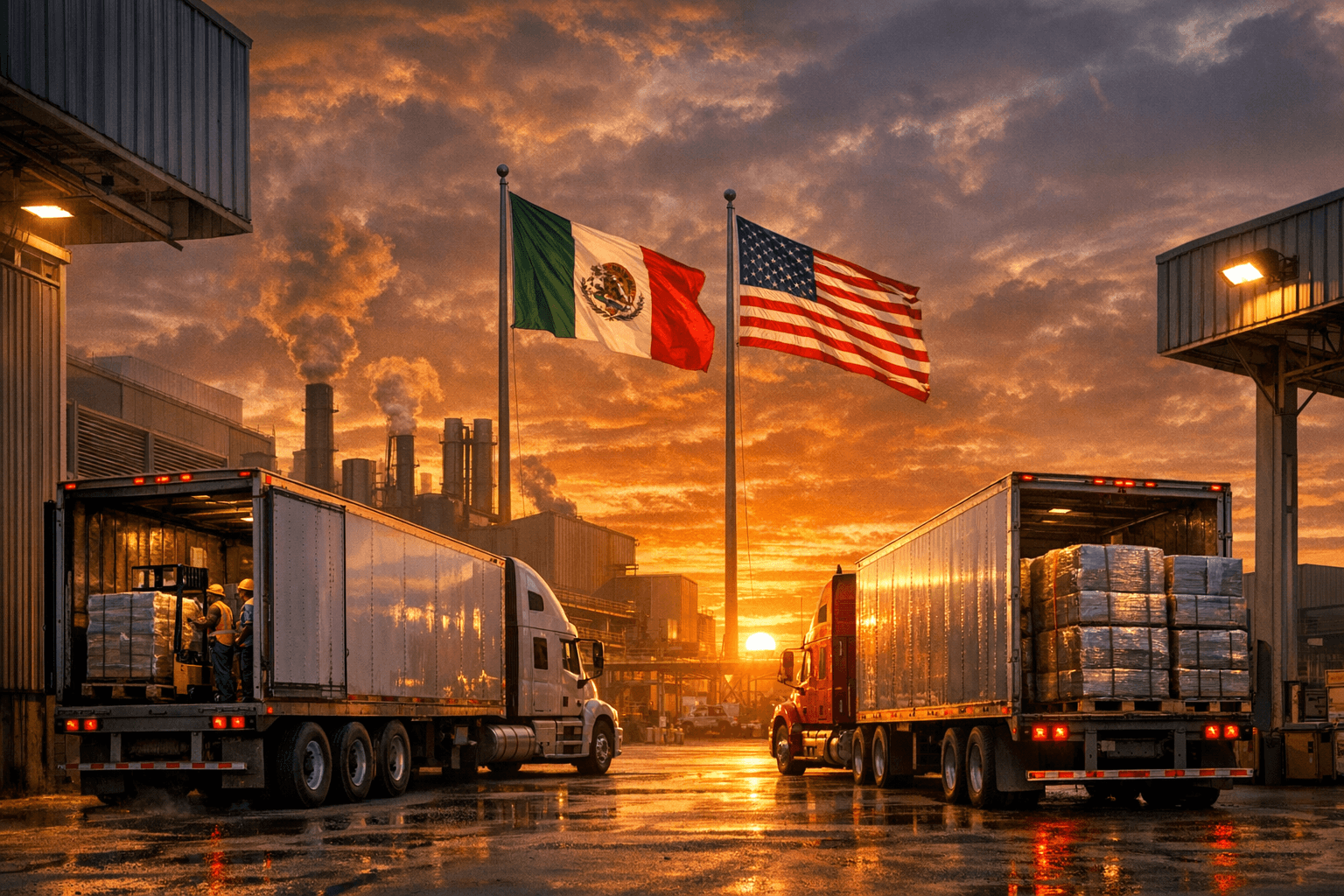
Mexico: The Nearshoring Winner
Mexico has overtaken China as the top US trading partner. The nearshoring trend driven by supply chain disruptions, tariffs, and USMCA benefits continues accelerating in 2026, with foreign direct investment at record levels.
The Nearshoring Driver
Why Mexico Wins
- USMCA duty-free access
- Geographic proximity (1-3 day shipping vs 30+ from Asia)
- Labor costs competitive with China
- Established manufacturing infrastructure
- Compatible time zones
- Shared supply chains already existing
Scale of Trend
- FDI inflows 50%+ above pre-pandemic levels
- Industrial real estate shortage in border states
- Over $170 billion bilateral trade monthly
- Tesla, Mattel, Samsung major expansions
USMCA Framework
Key Benefits
- Most goods move duty-free with origin qualification
- Services chapter enables integration
- Labor provisions support Mexican reforms
- Digital trade chapter facilitates modern commerce
Rules of Origin
- Tariff shift plus regional value content
- Auto: 75% RVC required
- Labor Value Content (LVC) for autos
- Steel/aluminum melt-and-pour requirements
Key Manufacturing Sectors
Automotive
- Large expansion of EV production
- Tesla, BMW, Mercedes-Benz gigafactories
- Traditional OEMs relocating production
- Parts supplier ecosystem expanding
Electronics
- Foxconn, Pegatron operations expanding
- TV and appliance manufacturing growth
- Semiconductor assembly and testing
- Computer peripherals and components
Medical Devices
- Tijuana cluster leading global production
- Pharmaceutical manufacturing expanding
- Class III device production growing
Aerospace
- Queretaro aerospace hub expanding
- Airbus, Bombardier, Safran facilities
- Complex parts production
Major Trade Corridors
Laredo-Nuevo Laredo
- Largest US-Mexico border crossing
- Handles 40%+ of bilateral land trade
- Major infrastructure expansion ongoing
Otay Mesa-Tijuana
- California-Baja crossing
- Major for electronics and medical devices
- New crossing under construction
Eagle Pass-Piedras Negras
- Growing rapidly for auto trade
- Rail and truck infrastructure
2026 Challenges
Infrastructure Constraints
- Border crossing congestion
- Industrial power capacity limits
- Water availability in certain states
- Rail capacity constraints
Labor Considerations
- Wages rising but still competitive
- Specialized talent in short supply
- Union organizing under new labor reforms
- Training and skill development needs
Security Concerns
- Cargo theft in certain regions
- Insurance premiums elevated
- Security protocols for high-value cargo
- Route planning essential
USMCA 2026 Review
Mandatory six-year review under USMCA is this year. All three parties must affirmatively decide to continue the agreement. Major issues include:
- Auto rules of origin enforcement
- Labor value content provisions
- Mexican labor reform implementation
- Agricultural market access
- Environmental commitments
Tax and Incentive Landscape
IMMEX (Maquiladora) Program
- Temporary import duty deferral
- VAT relief with certification
- Major structure for manufacturing
Free Trade Zones
- Mexican FTZ/recinto fiscal program
- Export processing benefits
- Duty deferrals and exemptions
Opportunities for US Companies
- Supply chain integration opportunities
- Manufacturing partnership possibilities
- Distribution to Mexico's 130M consumers
- Export base for Central and South America
- USMCA preferential access
Risk Management
- Political risk monitoring
- Currency hedging strategies
- Supply chain visibility technology
- Security services for high-value cargo
- Multiple supplier relationships
Looking Forward
The nearshoring trend shows no signs of slowing. Smart companies are making Mexico part of broader regional strategies that include Canada, Central America, and Caribbean locations. USMCA review outcomes will shape the next decade of North American trade.