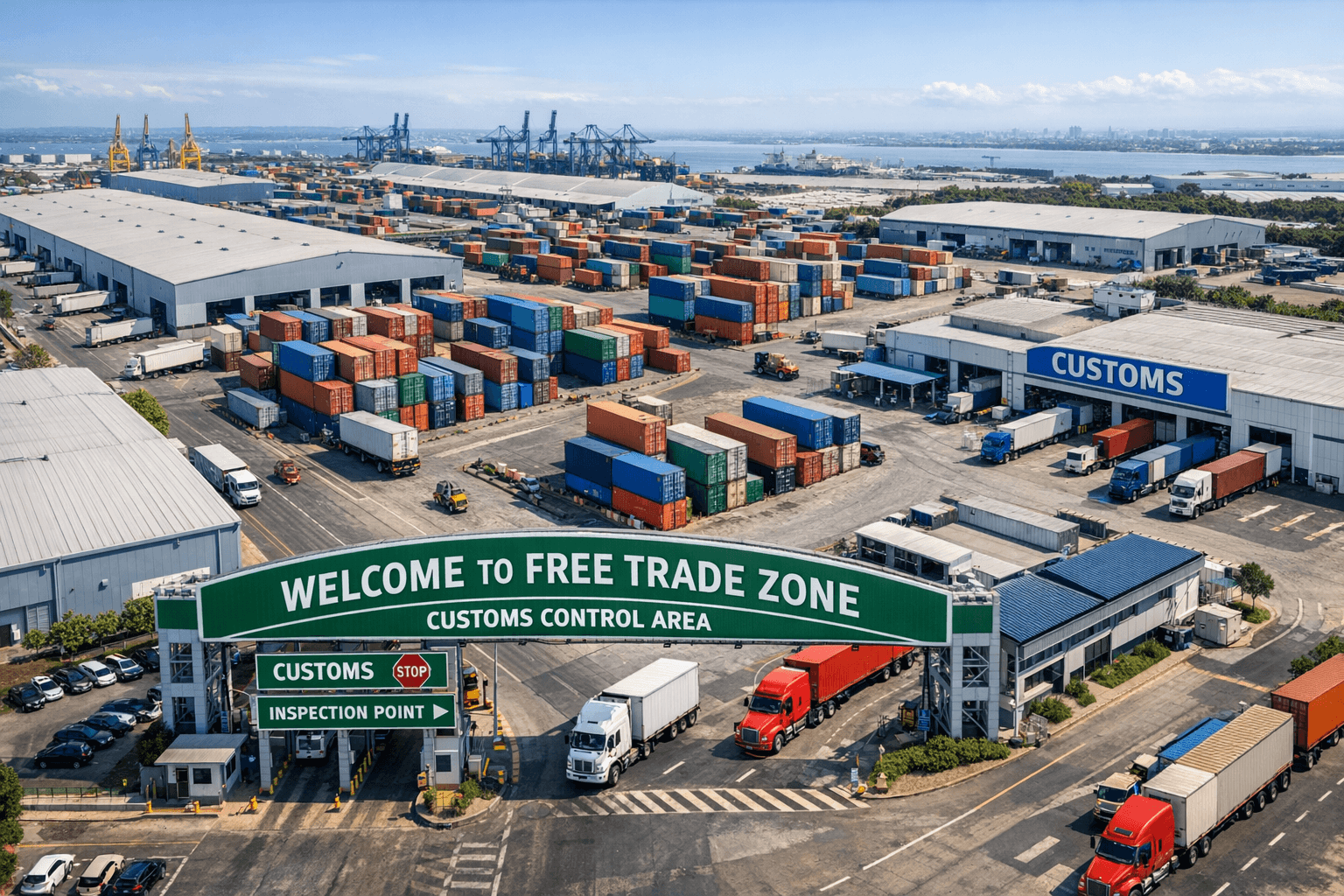
Understanding Foreign Trade Zones
Foreign Trade Zones (FTZs) are designated areas within the United States where goods can be stored, assembled, manufactured, and processed with special customs treatment. Strategic use of FTZs can significantly reduce import costs.
How FTZs Work
An FTZ is legally considered outside US customs territory for duty purposes, even though it's physically within the US:
- Goods enter the zone without paying duties
- Duties are only paid when goods enter US commerce
- Goods can be re-exported without ever paying US duties
- Processing and manufacturing can change duty treatment
Types of FTZ Sites
General Purpose Zones
- Operated by a grantee (often port authority or economic development agency)
- Multiple companies can use the same zone
- Typically located near ports or airports
Subzones
- Private facilities approved for individual company use
- Located at company's own manufacturing or distribution site
- Must apply and receive CBP approval
Key FTZ Benefits
Duty Deferral
- No duties until goods enter US commerce
- Improve cash flow by deferring payment
- Pay duties on actual withdrawals, not entire inventory
Duty Elimination (Re-Export)
- Goods exported from FTZ never incur US duties
- Ideal for distribution hubs serving international markets
- No duties on waste, scrap, or rejected goods
Duty Reduction (Inverted Tariff)
- When finished product has lower duty rate than components
- Manufacture in FTZ, pay duty on finished product
- Example: Import components at 8%, manufacture product dutiable at 3%
Weekly Entry
- Consolidate multiple shipments into one weekly entry
- Reduces entry fees and administrative burden
- Simplifies customs compliance
Merchandise Processing Fee Savings
- MPF capped at $538.40 per weekly entry
- vs. paying per shipment outside FTZ
- Significant savings for high-volume importers
Manufacturing in FTZs
Production Authority
- Must apply for manufacturing authority from FTZ Board
- Analysis compares benefits vs. economic impact
- Public interest test must be satisfied
Choosing Duty Status
When manufacturing, choose to pay duty on:
- Foreign components (privileged foreign status)
- Finished product (non-privileged foreign status)
- Whichever results in lower duty
Costs and Considerations
FTZ Costs:
- Zone operator fees
- Customs bonding requirements
- Compliance and record-keeping systems
- Security requirements
- Application fees for subzones
Is an FTZ Right for You?
Consider FTZ use when:
- Import volume is substantial
- Re-exports are significant portion of activity
- Inverted tariff opportunities exist
- Inventory carrying costs are high
- Cash flow impact of duties is material
FTZ Compliance Requirements
- Maintain accurate inventory records
- Separate foreign and domestic goods
- Report zone activity to CBP
- Physical security of the zone
- Annual reconciliation
Getting Started
- Analyze your import profile and potential benefits
- Identify existing general purpose zones near your operations
- Consult with FTZ operator about using their zone
- Or apply for subzone designation at your facility
- Develop compliance procedures
- Train staff on FTZ requirements
Common FTZ Uses
- Auto manufacturing (assembly plants)
- Electronics manufacturing
- Oil refining
- Distribution centers serving export markets
- Pharmaceutical manufacturing
- Apparel and textile operations
FTZs aren't for everyone, but for qualifying operations, the savings can be substantial. Conduct a thorough cost-benefit analysis before committing.
