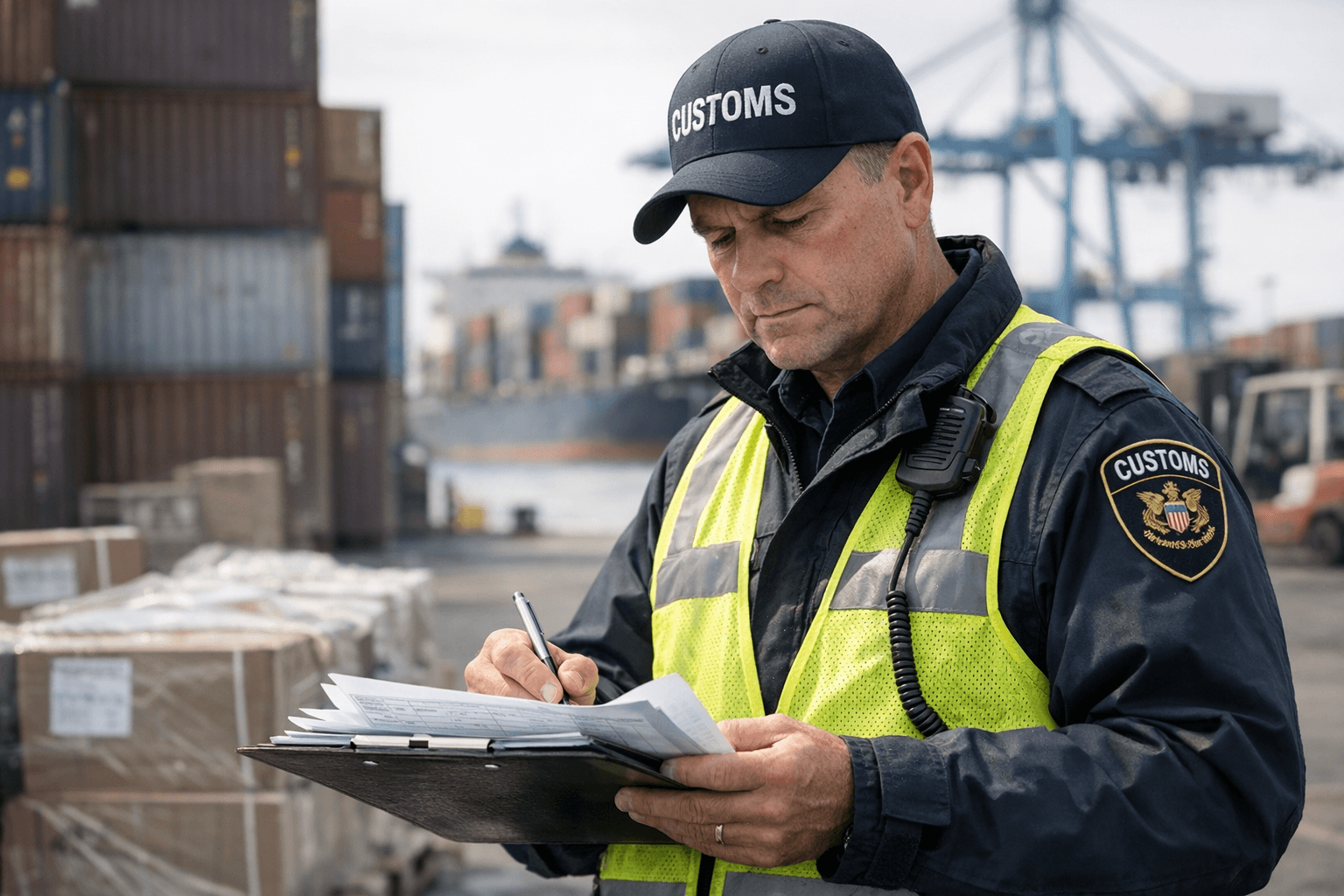
Understanding Import Compliance
Import compliance isn't just bureaucracy—it's protection against significant financial and legal risks. CBP can assess penalties, seize goods, and in serious cases, pursue criminal charges. Understanding the rules keeps your business safe.
The Concept of Reasonable Care
US law requires importers to exercise "reasonable care" in their import activities. This means:
- Accurate classification of goods
- Correct valuation for duty purposes
- Proper country of origin determination
- Complete and truthful documentation
- Compliance with all applicable regulations
Common Compliance Violations
Classification Errors
Using incorrect HTS codes, whether intentionally or through negligence:
- Understating duties owed
- Evading quotas or restrictions
- Missing trade agreement requirements
Valuation Issues
- Understating transaction value
- Failing to include assists, royalties, or other additions
- Improper use of deductions
- Related party transaction manipulation
Country of Origin Misrepresentation
- False claims to avoid tariffs (especially Section 301)
- Incorrect marking on products
- Transshipment to disguise true origin
Documentation Problems
- Incomplete or inaccurate commercial invoices
- Missing required certificates or permits
- Falsified documents
Penalty Framework
Civil Penalties
19 USC 1592 penalties based on culpability level:
- Fraud: Up to domestic value of merchandise
- Gross negligence: Up to 4x duty owed (or 40% of value)
- Negligence: Up to 2x duty owed (or 20% of value)
Other Consequences
- Seizure and forfeiture of goods
- Liquidated damages
- Increased examination rates
- Loss of trade program benefits
- Criminal prosecution in egregious cases
Building a Compliance Program
Essential Elements
- Written procedures: Document your import processes
- Responsible personnel: Designate compliance oversight
- Training: Ensure staff understand requirements
- Record keeping: Maintain required documents for 5 years
- Internal audits: Regularly review entries for accuracy
- Corrective action: Address errors promptly
Prior Disclosure
If you discover a violation, voluntary disclosure before CBP discovers it can significantly reduce penalties:
- Must be before CBP initiates investigation
- Must be complete and accurate
- Typically reduces penalty to interest on lost duties
Working with Customs Brokers
While brokers help with compliance, ultimate responsibility remains with the importer:
- Provide accurate information to your broker
- Review entries before and after filing
- Don't assume the broker catches everything
- Maintain your own compliance knowledge
Key Compliance Areas by Product
- Food: FDA registration, prior notice, labeling
- Consumer products: CPSC safety standards
- Electronics: FCC certification
- Textiles: Fiber content, country of origin, quotas
- Chemicals: TSCA compliance, EPA requirements
Proactive Steps
- Get binding rulings for uncertain classifications
- Conduct periodic self-assessments
- Stay current on regulatory changes
- Consider C-TPAT membership for trusted importer status
- Work with trade counsel for complex issues
Compliance is an investment that protects against far greater costs. Build it into your import operations from the start.
