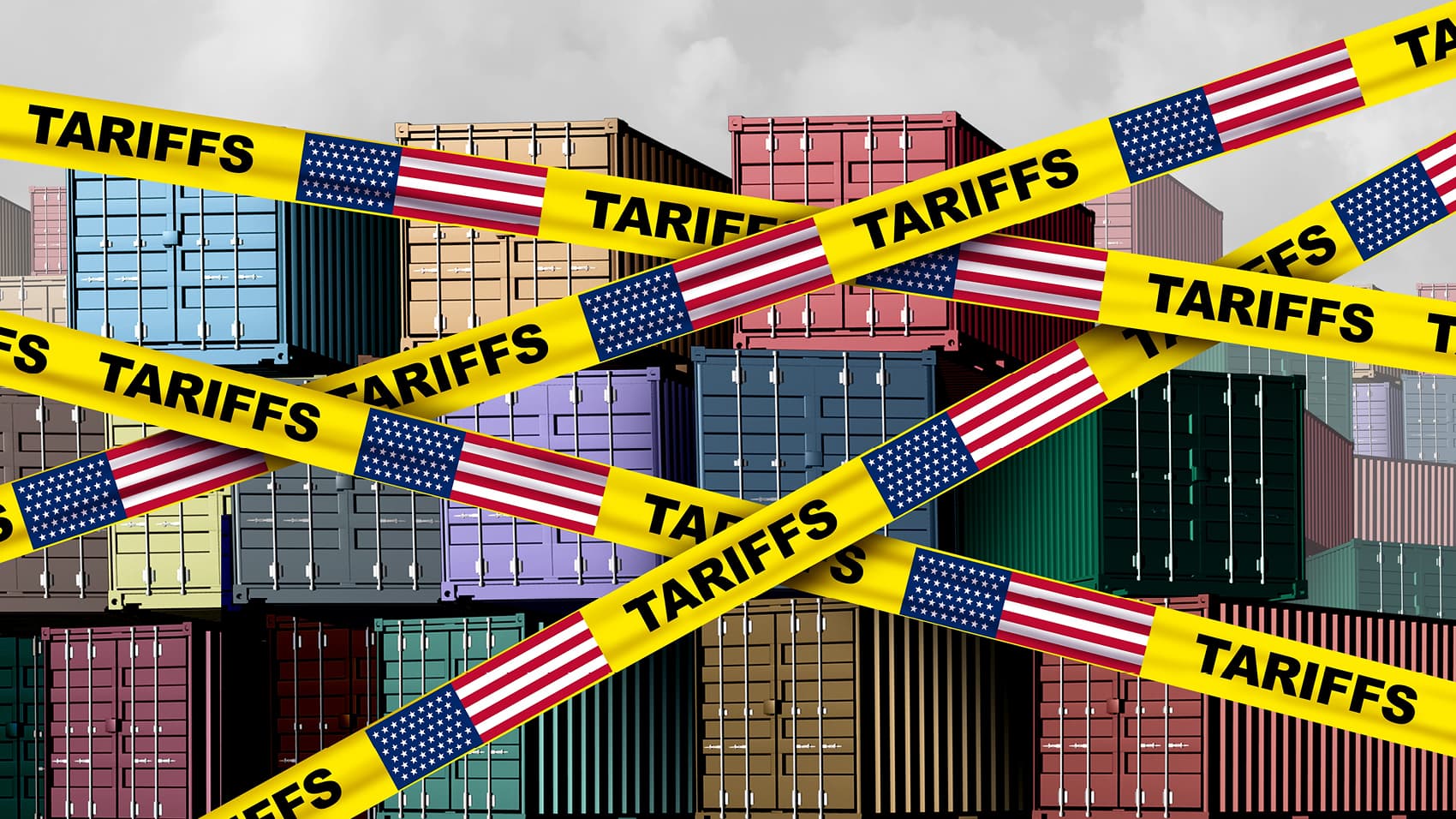
Tariffs are at the center of international trade policy. Understanding how they work helps you anticipate costs, navigate trade disputes, and make informed sourcing decisions.
What Are Tariffs?
Tariffs are taxes on imported goods, paid by the importer (not the foreign seller or country). They serve multiple purposes: generating revenue, protecting domestic industries, and as tools of foreign policy.
Types of Tariffs
Ad Valorem: A percentage of the product's value. Most common type. Example: 5% duty on a $10,000 shipment = $500.
Specific: A fixed amount per unit. Example: $0.50 per kilogram.
Compound: Combination of ad valorem and specific. Example: 5% plus $0.10 per unit.
Tariff Rate Quota (TRQ): Lower rate up to a certain quantity, higher rate above that quota.
Special Tariffs
Beyond regular duties, goods may be subject to additional tariffs:
Section 301 Tariffs: Currently applied to many Chinese goods (10-25% additional duty). Intended to address unfair trade practices.
Section 232 Tariffs: Applied to steel (25%) and aluminum (10%) imports based on national security grounds.
Antidumping/Countervailing Duties: Applied when foreign goods are sold below fair value or benefit from unfair subsidies.
How Tariffs Affect Your Business
Higher tariffs directly increase your cost of goods sold. You have several options: absorb the cost (lower margins), pass it to customers (risk losing sales), shift sourcing to lower-tariff countries, or claim exclusions if available.
Staying Informed
Trade policy changes frequently. Follow CBP announcements, subscribe to trade publications, and work with a knowledgeable customs broker who can alert you to changes affecting your products.
For current rates and requirements, check the USITC Harmonized Tariff Schedule database.