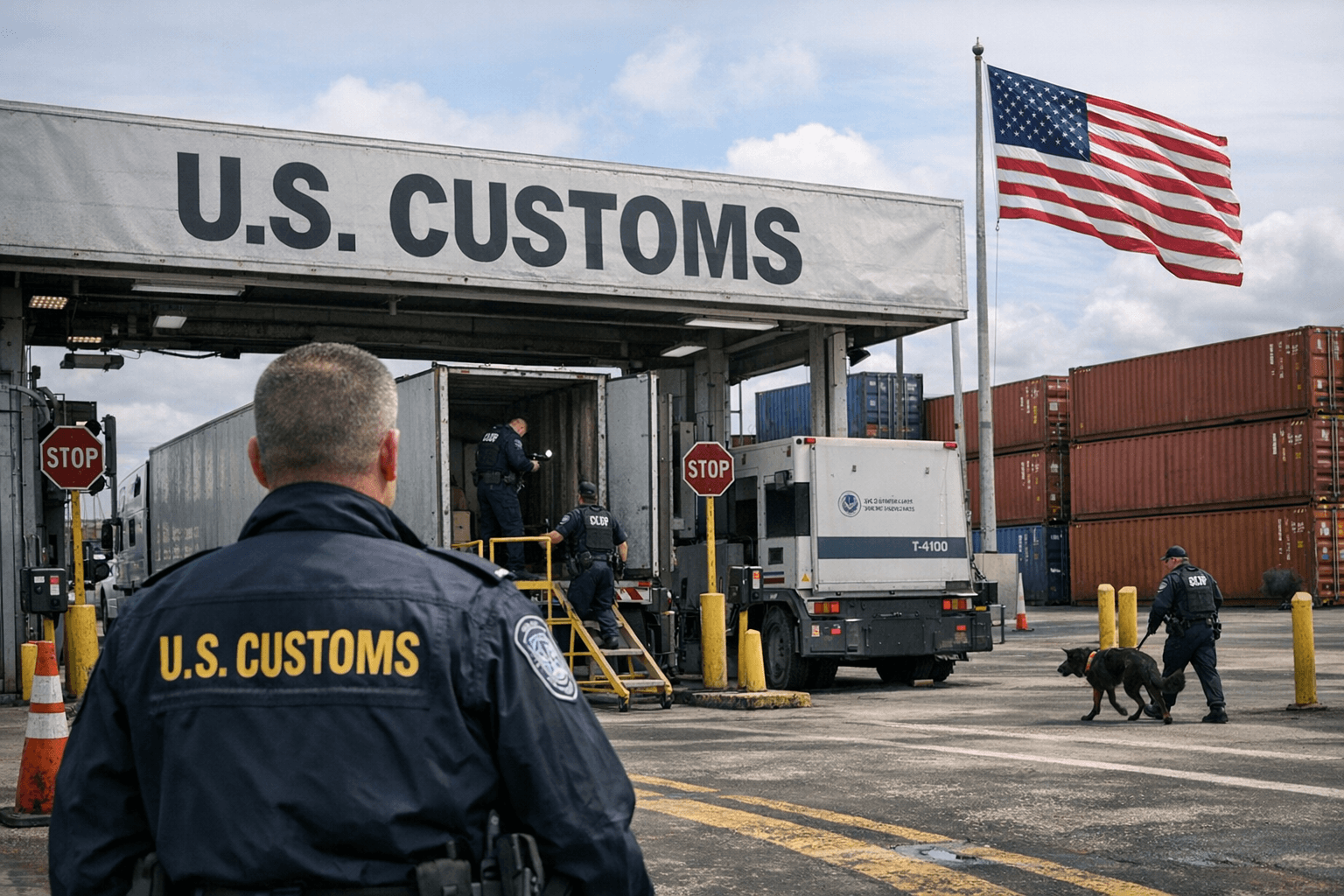
Navigating US Tariff Changes in 2026
US trade policy continues to evolve, with significant tariff adjustments affecting importers across multiple industries. Understanding these changes is essential for managing costs and maintaining compliance.
Recent Tariff Developments
Several major policy shifts have occurred:
- Continuation and expansion of Section 301 tariffs on Chinese goods
- New tariff actions on specific product categories
- Changes to de minimis thresholds affecting small shipments
- Updated exclusion processes for certain products
Understanding Tariff Types
Standard MFN Duties
Most Favored Nation rates apply to imports from WTO member countries. These are the baseline rates published in the Harmonized Tariff Schedule.
Section 301 Tariffs
Additional duties of 7.5% to 25% (and higher for some categories) on Chinese-origin products, layered on top of standard duties.
Section 232 Tariffs
25% tariffs on steel and 10% on aluminum from most countries, with some exemptions through quotas or agreements.
Antidumping and Countervailing Duties
Product-specific duties when foreign goods are sold below fair value or benefit from prohibited subsidies.
Strategies to Minimize Tariff Impact
1. Accurate Classification
Ensure your HTS codes are correct. Misclassification can result in overpayment or, worse, penalties for underpayment.
2. Country of Origin Planning
Understand substantial transformation rules. Some companies have shifted manufacturing to countries not subject to additional tariffs.
3. First Sale Valuation
If you purchase through intermediaries, you may be able to use the manufacturer's price rather than the middleman's price as the dutiable value.
4. Foreign Trade Zones
FTZs allow you to defer, reduce, or eliminate duties on imported goods, especially useful for re-exports or manufacturing.
5. Duty Drawback
Recover up to 99% of duties paid on imported goods that are later exported, either as-is or after manufacturing.
Compliance Requirements
With increased enforcement, importers should:
- Maintain detailed records of country of origin determinations
- Document the supply chain to verify product origins
- Review classifications regularly as tariff schedules change
- Consider obtaining binding rulings from CBP for complex situations
Working with Customs Brokers
A knowledgeable customs broker can help you:
- Identify duty savings opportunities
- Ensure accurate entry filings
- Navigate exclusion or exemption processes
- Respond to CBP inquiries or audits
Tariff policy remains dynamic. Stay informed about changes and work with trade professionals to optimize your import strategy.
